Xinjiang Travel Guide
Introduction to Xinjiang
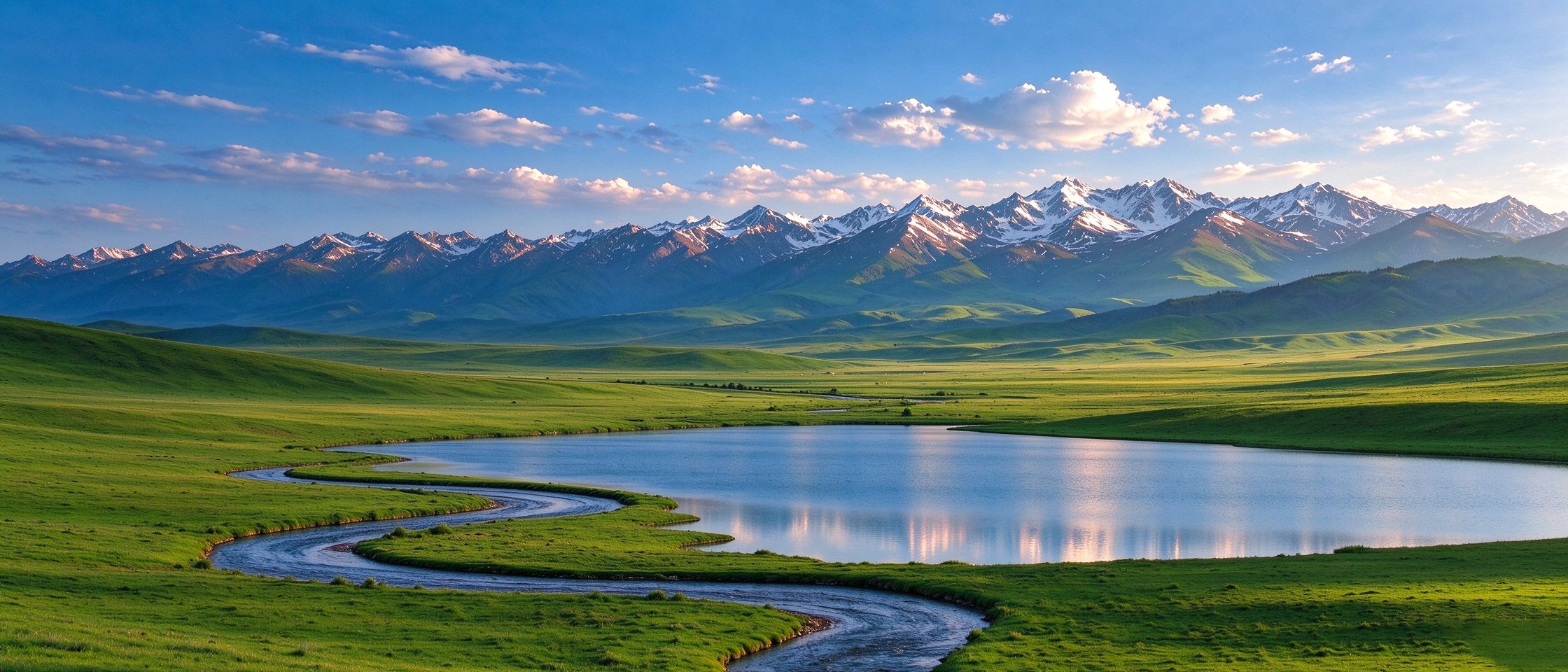
Officially known as the Xinjiang Uygur Autonomous Region, Xinjiang sits in northwest China. It is the country’s largest provincial-level administrative region, spanning roughly 1.66 million square kilometers — around one-sixth of China’s total landmass.
Bordering eight nations: Russia, Kazakhstan, Kyrgyzstan, Tajikistan, Pakistan, Mongolia, India and Afghanistan, it serves as a vital gateway linking China with Central and West Asia.
Xinjiang is blessed with extraordinarily varied landscapes: the immense Taklamakan Desert, the soaring Tianshan and Kunlun mountain ranges, and the fertile Tarim and Junggar Basins.
Home to more than a dozen ethnic communities, including the Uyghur, Han, Kazakh and Hui peoples. Their languages, handicrafts, cuisines and traditions weave together a vibrant, living cultural legacy. With striking Islamic architecture and evocative Central Asian music, Xinjiang stands as a mesmerizing cultural crossroads on the ancient Silk Road.
Northern Xinjiang: Eurasian Crossroads
Ethnic Groups: Northern Xinjiang is chiefly home to Kazakh, Mongolian and Tuvan communities, whose culture is steeped in nomadic traditions. The Ili Valley, historically referred to as “West Xinjiang,” bears a wonderful blend of Central Asian and Russian influences.
Architecture
- Yurts (Gers): Portable felt tents decorated with richly embroidered textiles
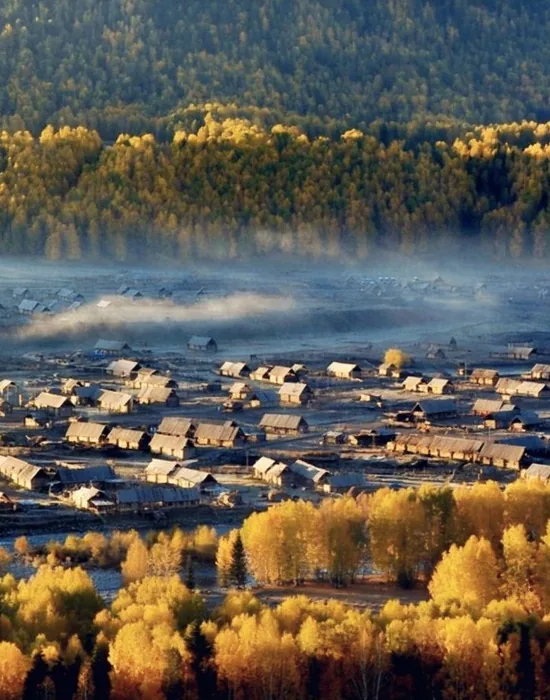
- Timber mountain villages: Hemu, Kanas and Baihaba, dotted with steep-roofed alpine log cabins
Cultural Highlights
- Equestrian heritage: Horse racing, eagle hunting, and kokpar, the Central Asian equestrian sport resembling polo
- Music & crafts: The Kazakh dombra, Tuvan throat singing, and exquisitely handcrafted felt carpets
Attractions
- Altay Region: Kanas, Hemu, Baihaba, Koktokay & No. 3 Mine, the Devil’s City, Rainbow Beach
- Ili Region: Duku Highway, lavender fields, Nalati Grassland, Sayram Lake, Kazanqi Folk Village, Guozigou Bridge
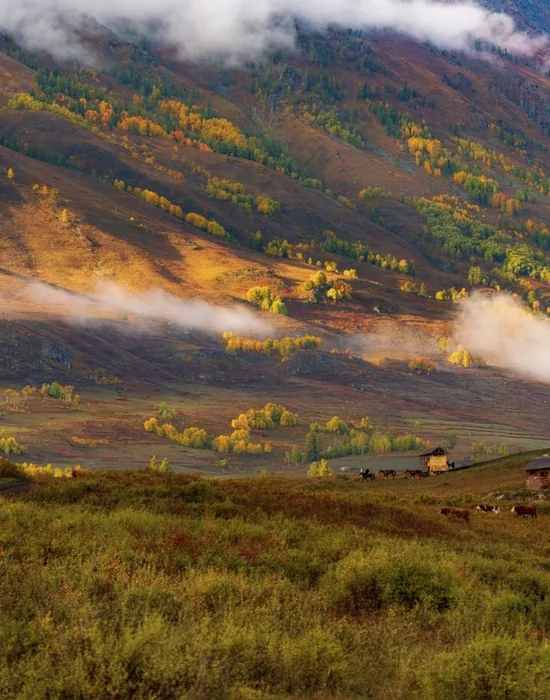
Hemu Village
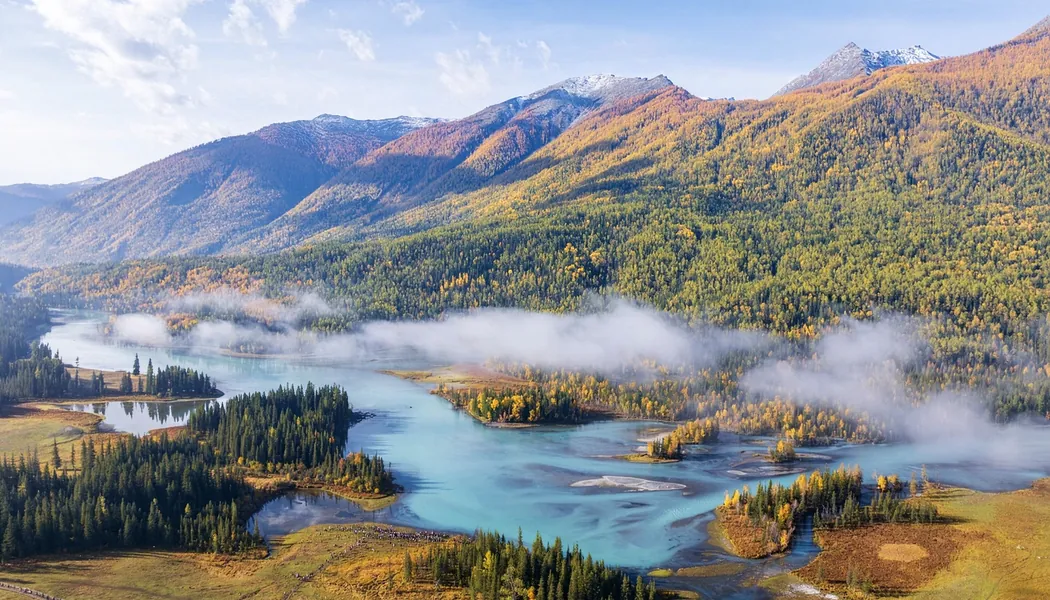
Tucked away in the Altai Mountains of northern Xinjiang, Hemu is China’s largest remaining Tuvan village. Its famous log homes are crafted from red pine without a single nail, with sharply sloped roofs built to bear heavy winter snow. The turquoise Hemu River and stands of golden birch trees wrap around this secluded mountain haven. Rise early to the Haden Viewing Platform at dawn for ethereal morning mist and a breathtaking sunrise. Autumn bathes the village in warm gold, while winter transforms it into a quiet snow-kissed fairy tale. It is an idyllic retreat to experience untouched wilderness and age-old nomadic heritage.
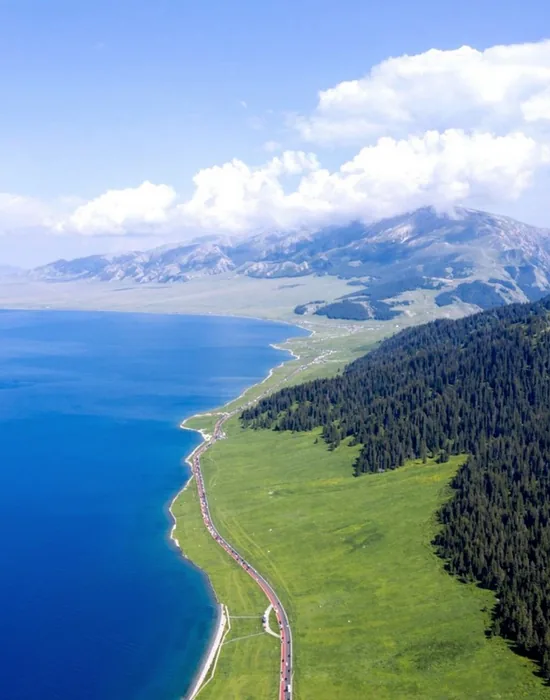
Sayram Lake
Often quoted: “To skip Sayram Lake is to miss one of life’s great joys.” This beloved highland lake holds a special place among Chinese travellers. Situated along the northern Silk Road, it is Xinjiang’s largest alpine lake, sitting at 2,073 meters above sea level.
Famous for its translucent turquoise waters framed by snow-capped peaks, Sayram Lake does not fully freeze even in frigid winters. In summer, wildflowers carpet the meadows along its 90-kilometer shoreline. A paradise for photographers and nature enthusiasts, it delivers unspoiled scenery and quiet refuge amid Xinjiang’s highland wilderness.
Southern Xinjiang: Heart of the Silk Road
People and Culture
Ethnic Groups: Uyghur people form the majority, while Tajik and Kyrgyz communities live across the Pamir Mountains. Southern Xinjiang stands as the home of Uyghur culture, forged by thousands of years of Silk Road exchange.
Architecture
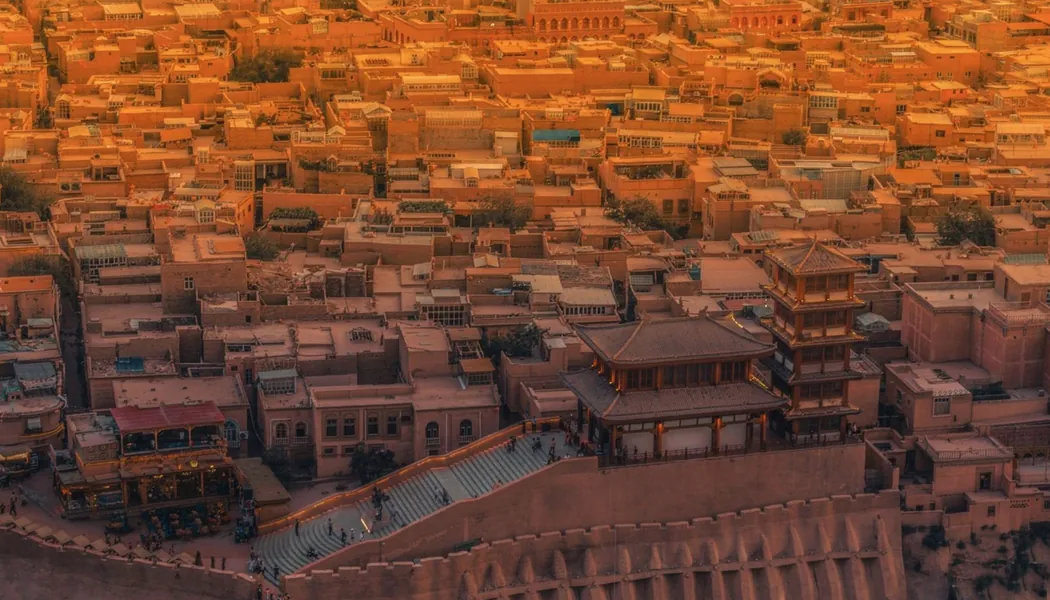
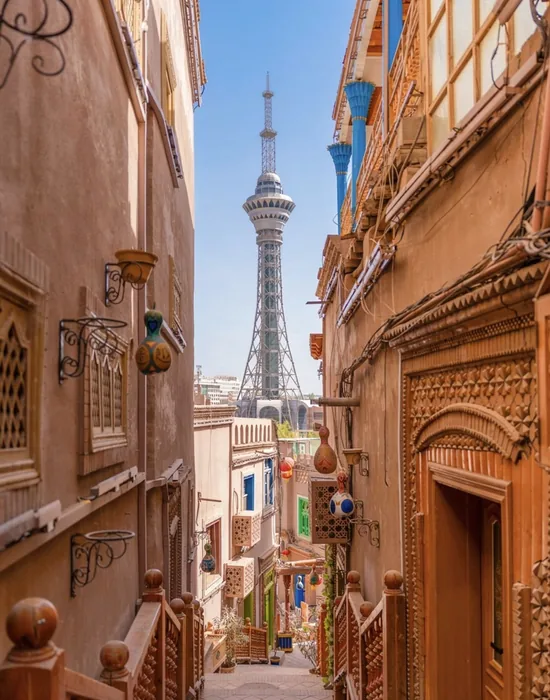
- Islamic local architecture: Kashgar Old Town is famous for adobe homes decorated with carved wooden balconies and quiet private courtyards.
- Sacred sites: Id Kah Mosque, China’s largest mosque, and the Apak Hoja Mausoleum combine Persian and Timurid design influences.
Cultural Highlights
- Twelve Muqam: A Uyghur musical tradition inscribed on the UNESCO Intangible Cultural Heritage List
- Bazaars: Kashgar Sunday Market, plus craft workshops in Yarkand for copperware, silk and knives
- Food: Lamb kebabs, nang flatbread and pomegranate-infused dishes
Regional Attractions
- Kashgar: Old Town, Id Kah Mosque, Sunday Bazaar, Apak Hoja Mausoleum (Fragrant Concubine Tomb), Karakoram Highway, Taklamakan Desert, ancient Silk Road trails
- Hotan: Jade Market, Hotan Museum, Taklamakan Desert, Melikawat Ancient City Ruins
- Aksu: Tianshan Grand Canyon, Kizil Thousand-Buddha Caves, Tomur Peak
- Kuqa: Old Town, Subash Buddhist Ruins
- Korla: Bosten Lake, Lop Nur
- Taxkorgan (Pamirs): Karakul Lake, Stone City, Pamir Plateau (located within Kashgar Prefecture, not Hotan)
- Yarkand: Khanate Mausoleum, Old Town
Kashgar Old City
For more than 2,000 years, Kashgar has sat at a major crossroads of the Silk Road. Its Old Town remains the beating heart of Uyghur culture, lined with adobe homes, carved wooden balconies and quiet tucked-away courtyards. The 500-year-old Id Kah Mosque is the largest mosque in China. The Sunday Bazaar carries forward trading customs stretching back thousands of years. Kashgar is also the home of the Twelve Muqam, the Uyghur musical tradition inscribed on the UNESCO Intangible Cultural Heritage List. Wander its winding lanes, and you will hear coppersmiths at work, catch the warm scent of fresh nang, and step straight into the living heritage of the ancient Silk Road.
Pamir Plateau
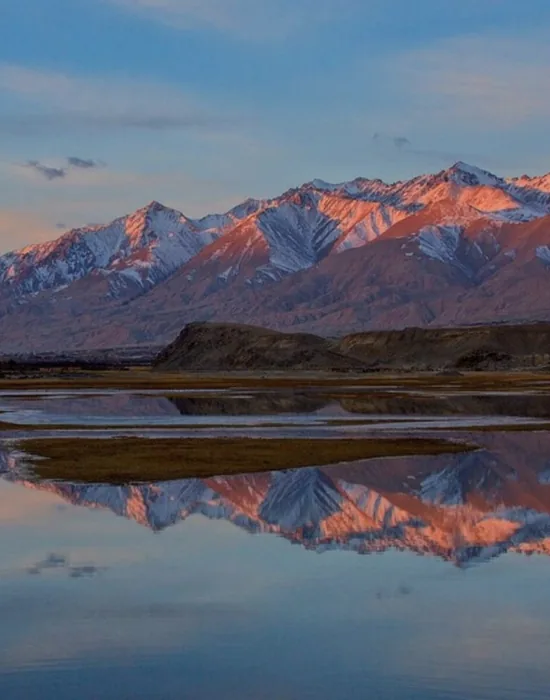
Stretching along Xinjiang’s southwestern border, the Pamir Plateau sits at an average elevation above 4,000 meters. This rugged, stunning land is home to the Tajik community, who keep age-old nomadic customs alive. Highlights include Karakul Lake, a high-altitude mirror reflecting the snow-capped peaks of Muztagh Ata, and the two-thousand-year-old Stone City in Taxkorgan, an ancient Silk Road outpost. The Karakoram Highway snakes through dramatic mountain valleys. Travellers come for unspoiled scenery, the warm hospitality of the Tajik people, and genuine adventure at the crossroads of Asia.
Eastern Xinjiang: Oasis of Ancient Civilizations
People and Culture
Ethnic Groups: A blend of Uyghur, Han and Hui communities. Turpan and Hami have long acted as historic cultural melting pots.
Architecture
- Karez Systems: Turpan’s underground irrigation channels and grape-drying houses, an engineering wonder more than 2,000 years old
- Buddhist heritage: Ruins of the ancient cities of Gaochang and Jiaohe, with remains of mud-brick stupas and temples
Cultural Highlights
- Grape Valley Festivals: Lively celebrations honoring Turpan’s raisin harvest, featuring music and dance
- Multifaith heritage: Buddhist grottoes at Bezeklik, Islamic mosques, and Han Dynasty fortress sites
Attractions
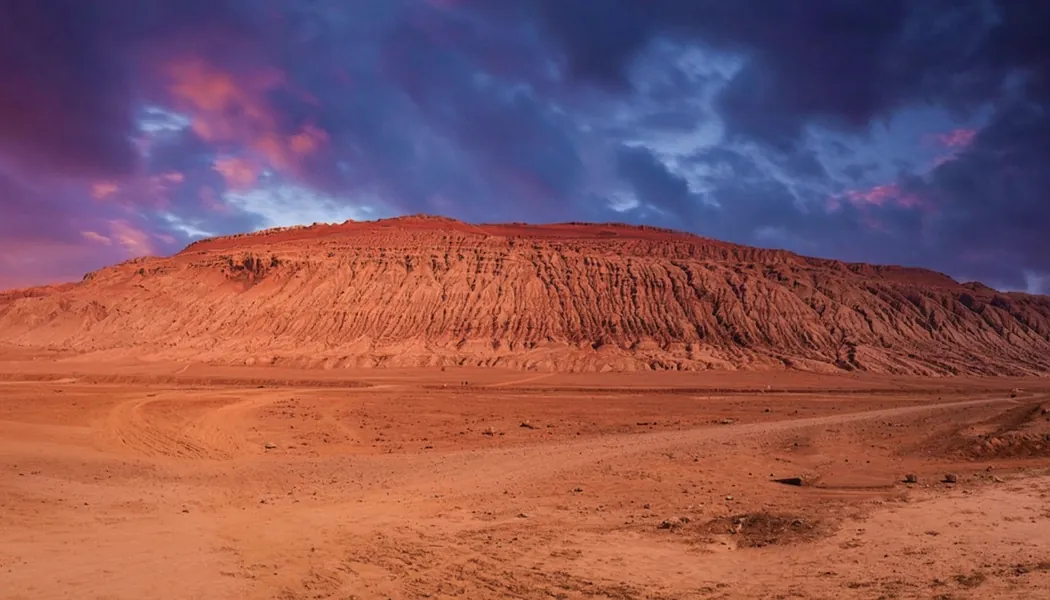
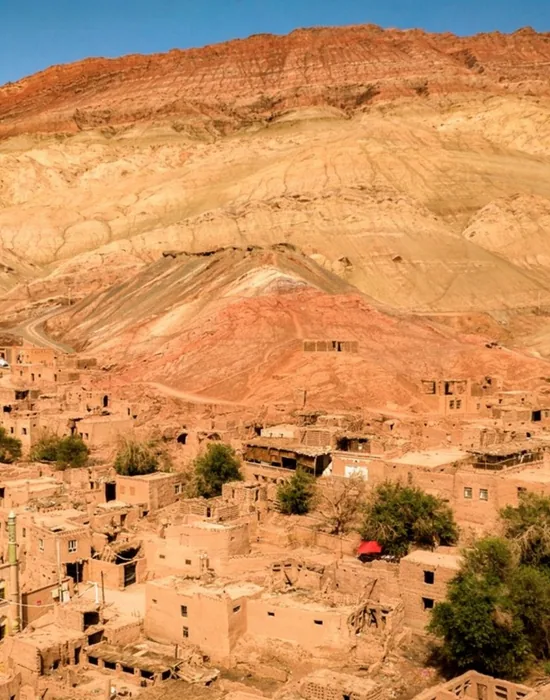
Jiaohe Ancient City, the Karez Well System, the Flaming Mountains, Bezeklik Thousand Buddha Caves, Emin Minaret, Tuyuq Village
Turpan
Tucked away in eastern Xinjiang, Turpan holds the title of China’s hottest and lowest basin, yet it blooms as a fertile oasis. Its ancient Karez irrigation network, a 2,000-year-old underground engineering masterpiece, nourishes vines famous for sweet grapes and raisins. Travellers can wander the ruined cities of Jiaohe and Gaochang, discover the Buddhist grottoes of Bezeklik, and marvel at the blazing red Flaming Mountains. Don’t miss Emin Minaret, Tuyuq Village and the vibrant festivals of Grape Valley. A cultural melting pot of Uyghur, Han and Hui peoples, Turpan delivers a striking mix of stark desert scenery, deep Silk Road history and lush oasis plenty.