Xinjiang Travel Guide
Nov 18, 2026
Xinjiang Travel Guide
Introduction to Xinjiang
Officially named the Xinjiang Uygur Autonomous Region, Xinjiang lies in northwest China. It is China’s largest provincial-level administrative area, covering around 1.66 million square kilometers — nearly one-sixth of China’s total land area.
Xinjiang borders eight countries: Russia, Kazakhstan, Kyrgyzstan, Tajikistan, Pakistan, Mongolia, India and Afghanistan. It serves as a key gateway linking China with Central and West Asia.
Boasting incredibly varied landscapes, Xinjiang features the huge Taklamakan Desert, towering Tianshan and Kunlun Mountain ranges, as well as the Tarim and Junggar Basins.
More than a dozen ethnic groups live here, including Uyghur, Han, Kazakh and Hui. This vibrant cultural mix brings together distinct languages, handicrafts, foods and customs. From stunning Islamic-style architecture to soulful Central Asian folk music, Xinjiang stands as a fascinating cultural crossroads on the ancient Silk Road.
Northern Xinjiang: Eurasian Crossroads
Ethnic Groups: Northern Xinjiang is home primarily to Kazakh, Mongolian and Tuva peoples, whose culture is shaped by centuries-old nomadic heritage. The Ili Valley, once known as “West Xinjiang”, carries a rich mix of Central Asian and Russian influences.
Architecture:
Yurts (Gers): Portable felt tents decorated with colourful embroidered fabrics.
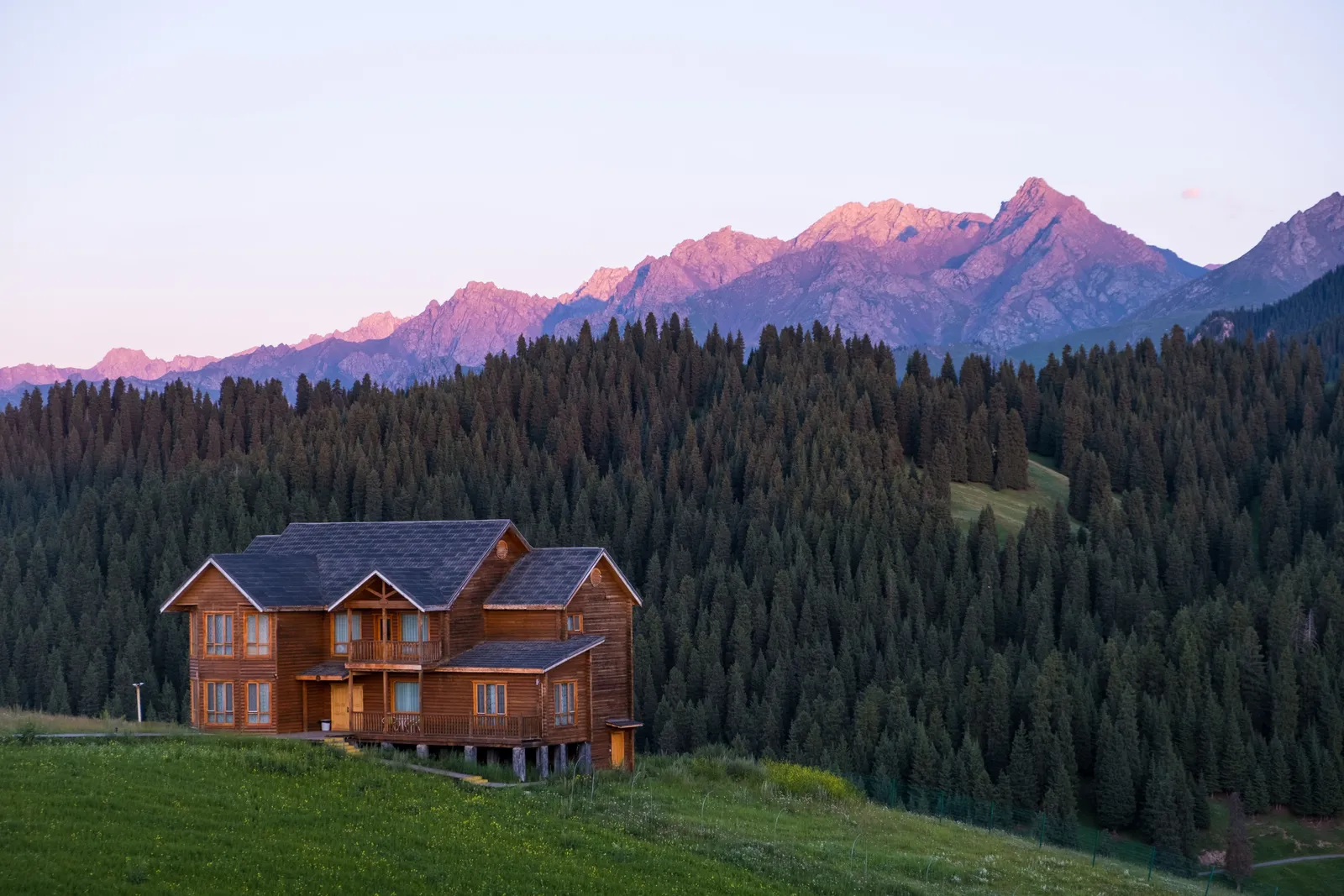
Wooden Villages: Hemu, Kanas and Baihaba feature alpine log cabins with steep snow-shedding roofs.
Cultural Highlights:
Equestrian Culture: Horse racing, eagle hunting and Kokpar, a thrilling traditional game similar to Central Asian polo.
Music & Crafts: Kazakh dombra lute, Tuva throat singing, and finely woven felt carpets.
Attractions:
Altay Region: Kanas, Hemu, Baihaba, Koktokay & No.3 Mine, World Ghost Town, Rainbow Beach.
Ili Region: Duku Highway, Lavender Fields, Nalati Grassland, Sayram Lake, Kazanqi Folk Village, Guozigou Bridge.
Hemu
Tucked deep in the Altay Mountains of Northern Xinjiang, Hemu is China’s largest remaining Tuvan village. Its famous log cabins are built from red pine without any nails, with steep roofs designed to slide off heavy snow. The bright turquoise Hemu River and golden birch woods surround this secluded paradise. Head up to the Haden Viewing Platform before sunrise to catch dreamy morning mist and stunning sunrise views. The village turns brilliant golden in autumn, and transforms into a quiet snow wonderland in winter. It is an ideal getaway for travellers seeking untouched nature and authentic nomadic traditions.
Southern Xinjiang: Heart of the Silk Road
Human & Cultural Identity
Ethnic Groups: Uyghur people make up the majority here, while Tajik and Kyrgyz communities live across the Pamir Mountains. Southern Xinjiang stands as the core home of Uyghur culture, forged by thousands of years of trade and cultural exchange along the ancient Silk Road.
Architecture:
Islamic Vernacular: Kashgar Old Town is filled with mud-brick homes decorated with carved wooden balconies and quiet private courtyards.
Religious Landmarks: Id Kah Mosque, China’s largest mosque, and the Apak Hoja Mausoleum combine elegant Persian and Timurid design styles.
Cultural Highlights:
Twelve Muqam: A UNESCO Intangible Cultural Heritage, the iconic Uyghur musical art form.
Bazaars: Kashgar Sunday Bazaar, plus craft workshops in Yarkand for copperware, silk and handmade knives.
Cuisine: Juicy lamb kebabs, fresh nang flatbread, and unique pomegranate-inspired dishes.
Attractions by Region:
Kashgar: Old City, Id Kah Mosque, Sunday Bazaar, Apak Hoja Mausoleum (Fragrant Concubine Tomb), Karakoram Highway, Taklamakan Desert, historic Silk Road routes
Hotan: Jade Market, Hotan Museum, Taklamakan Desert, Melikawat Ancient City Ruins
Aksu: Tianshan Grand Canyon, Kizil Thousand-Buddha Caves, Tomur Peak
Kuqa: Kuqa Old City, Subash Buddhist Ruins
Korla: Bosten Lake, Lop Nur
Taxkorgan (Pamirs): Karakul Lake, Stone City, Pamir Plateau (Note: these sites belong to Kashgar Prefecture, not Hotan)
Yarkand: Yarkand Khanate Mausoleum, Yarkand Old City