
Xinjiang Travel Tips
Nov 18, 2026
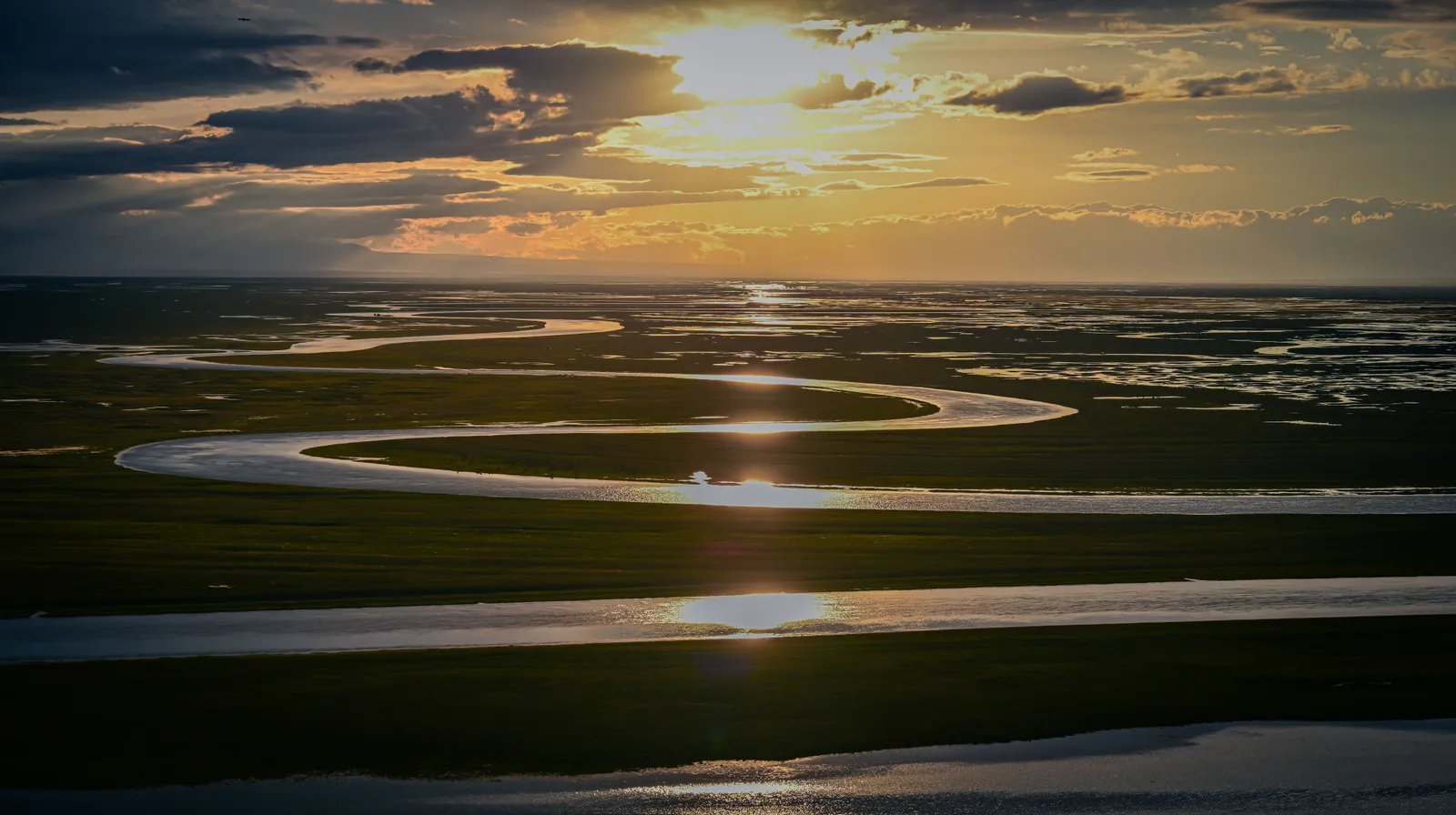
Xinjiang is in northwest China. The Tianshan Mountains separate Northern Xinjiang and Southern Xinjiang, so the weather and scenery are very different between the two areas.
Time Difference
Xinjiang uses Beijing Time, but people start activities 2 hours later. For example, 8 AM in Xinjiang = 10 AM Beijing Time. Tour companies and shops use Beijing Time. Some remote villages use local time, so check time before your trip. Summer has long daylight: sunrise around 6:30 AM (plain) / 7:00 AM (mountain), sunset 10:00–10:30 PM. Meal time: Breakfast 8:30 AM, lunch 1:00–2:30 PM, dinner 7:30–8:30 PM.
Climate
Northern Xinjiang: Cold and wet. Winter temperature often below -20°C, summer around 20–25°C. Altay can be -50°C. Snow stays for up to 5 months. You can see grassland, forest and Kanas Lake. Ili Valley has nice cool weather.
Southern Xinjiang: Hot and dry. Summer often above 35°C, Turpan Basin can be over 50°C. Winter about -5°C to -10°C. Very little rain. There is big Taklamakan Desert. Oasis villages get water from mountain ice melt. Spring may have sandstorms.
Difference: North Xinjiang is cold with grassland and forest; South Xinjiang is hot with desert and oasis.
Cuisine Highlights
Local food: South Xinjiang: pigeon soup, baked lamb buns, fig pudding. North Xinjiang: Kazakh bausak, Tuvan fermented milk wine. Staple food: naan, hand-pulled noodles, pilaf. Main meat: mutton and beef.
Warning: Kvas has alcohol, do not drink if you drive. Overnight yogurt may cause stomachache.
Cultural & Travel Notes
Ask permission first before taking photos of mosques or praying people. Do not talk about sensitive topics in public. Muslim communities do not eat pork. Do not shake hands with wet hands, it is not polite. Onion (piyaz) is common in local food. Many people can speak Mandarin.
Always bring your ID card and follow security checks. No photos at checkpoints. Border areas like Taxkorgan need a border pass. Most places are below 3000m, prepare oxygen if you go to high places. You can pay by phone in cities, but prepare cash for remote villages.
Not allowed to bring: knives (souvenir knives included), gas canisters, trekking poles. Do not save sensitive content in your phone.
Xinjiang Travel FAQs 2026
Is Xinjiang safe for foreign tourists?
Yes, Xinjiang is safe. Crime rate is low. Please follow local rules.
Need permit to enter Xinjiang?
Most tourist spots no need permit. Only some remote border areas need approval, check with your itinerary.
Any customs and taboos?
Many ethnic groups live here. Wear simple clothes, ask before taking photos of people. Pork is not allowed in Halal restaurants and Muslim homes.
How to pay?
Alipay and WeChat Pay are popular in cities and tourist spots. Bring cash for villages.
What food to try?
Uyghur pilaf, lamb skewers, fresh naan, hand-pulled noodles, baked buns and yogurt drink.
What ethnic groups are there?
Uyghur, Han, Kazakh, Hui and other groups.
North Xinjiang or South Xinjiang?
North Xinjiang: grassland, lake, forest. South Xinjiang: desert, old ruins, Silk Road culture.
How is the weather?
Hot summer, cold winter, big temperature difference between day and night.
Will I get altitude sickness?
Most tourist spots are safe. If you have health problems, ask doctor before going high places.
Best time to visit?
All seasons are good. June–August: green grass and flowers. September–October: golden forest. November–February: snow view. March–May: apricot flowers.
How many days to travel?
15–20 days for both north and south. Short trip can visit only one side.
Where to stay?
City hotels, local guesthouses and yurts in scenic areas.
How to go to Xinjiang and travel inside?
Take plane or train from big cities in China. Inside Xinjiang, you can use private car, train or bus.
Other tips: Learn simple Mandarin, keep copy of your ID, check travel news before you come.